Лучший бесплатный софт в 2026 году
Обзор the лучшие бесплатные software в 2026 году for writing, design, productivity, websites, business, storage, and communication. Сравнение useful бесплатные инструменты before upgrading.
Обзор the лучшие бесплатные productivity инструменты в 2026 году for tasks, notes, writing, planning, teamwork, automation, communication, and daily organization.
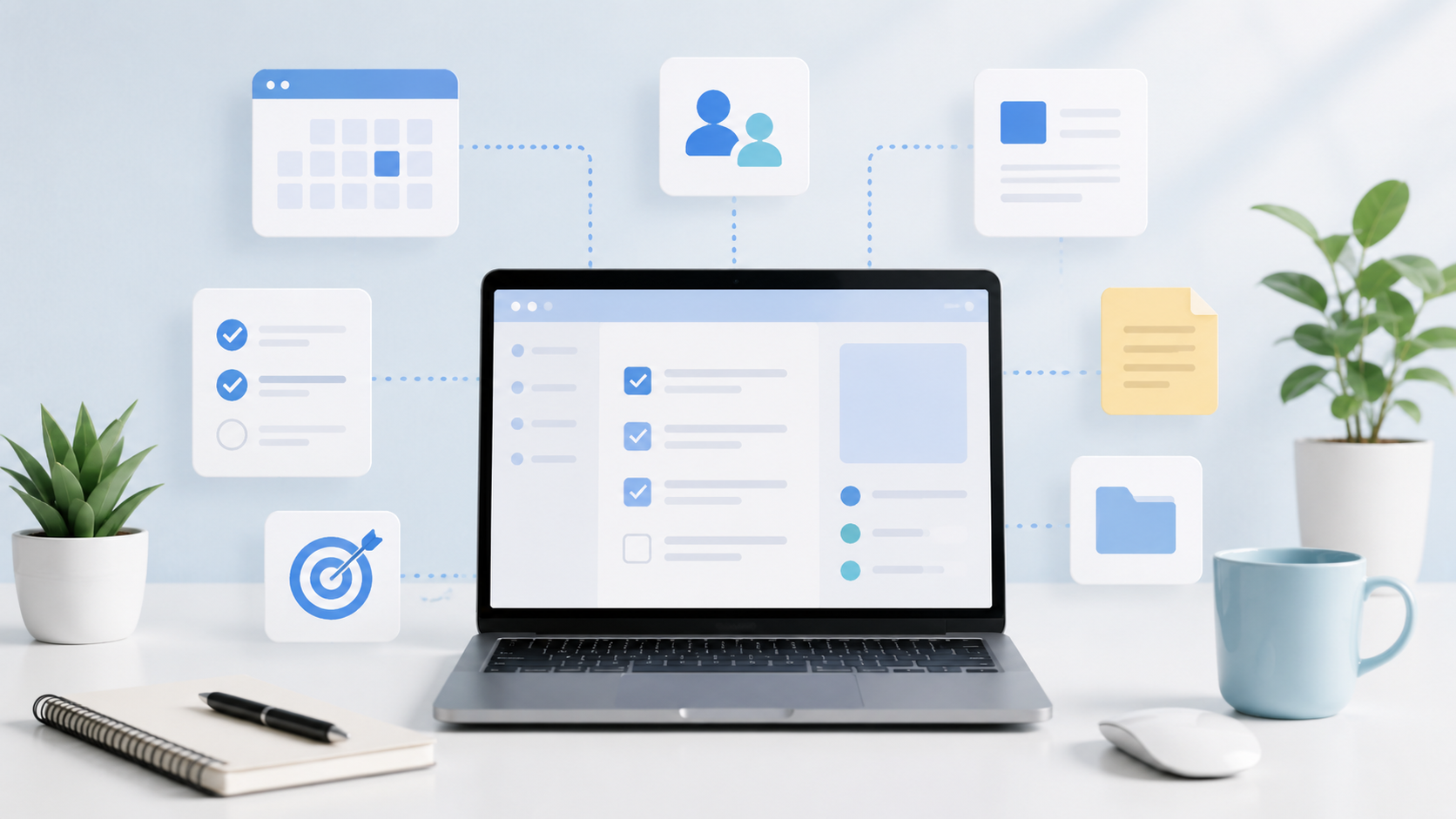
The best free productivity tools in 2026 are the apps that make work easier to start, track, and finish. A good free setup should give you one place for tasks, one place for time, one place for notes or docs, and only the collaboration tools you truly need.
If you want a practical free productivity stack, start with Notion for notes and planning, Todoist or Microsoft To Do for tasks, Google Calendar for scheduling, and Google Docs or Google Sheets for shared work. Add Slack, Zoom, Grammarly, ChatGPT, Canva, Dropbox Basic, or Zapier only when your workflow clearly needs them.
Notes, docs, dashboards, databases, and content calendars.
Fast task capture, recurring tasks, reminders, and planning.
Kanban boards, checklists, editorial pipelines, and projects.
Time blocking, reminders, shared calendars, and meeting planning.
Collaborative drafts, comments, meeting notes, and documents.
Simple workflows when manual copy-paste starts wasting time.
| Tool | Best use case | Free-plan sweet spot | Upgrade when |
|---|---|---|---|
| Notion | Notes, docs, databases | Personal workspaces and dashboards | Larger uploads, longer history, team controls |
| Trello | Visual project boards | Small teams, content pipelines, checklists | Advanced views, reporting, more automation |
| Todoist | Task management | Personal tasks, routines, reminders | More projects, history, collaboration |
| Google Calendar | Scheduling | Time blocking and shared calendars | Advanced booking or admin controls |
| Google Docs | Writing | Drafts, comments, live editing | Security, governance, shared drives |
| Google Sheets | Tracking | Budgets, calendars, lightweight databases | Larger data or BI workflows |
| Slack | Team communication | Small-team channels and recent history | Longer history, more apps, admin controls |
| Grammarly | Writing quality | Grammar, spelling, tone, light AI help | Advanced rewrites or brand tone |
| ChatGPT | AI assistance | Outlines, summaries, ideas, explanations | Higher limits or advanced work modes |
| Zapier | Automation | Low-volume, simple two-step workflows | More tasks or multi-step automations |
Notion is the best free productivity tool for people who want one flexible place for notes, project plans, content calendars, meeting notes, simple CRMs, and personal dashboards.
Best for: knowledge bases, study systems, content planning, dashboards.
Free-plan fit: strong for individual use, especially text-heavy work and lightweight databases.
Upgrade when: you need larger uploads, longer history, permissions, or a full team workspace.
Trello is ideal if you think visually. Boards, lists, cards, labels, due dates, and checklists make it easy to see what is planned, in progress, and finished.
Best for: Kanban boards, weekly planning, small projects, editorial workflows.
Free-plan fit: unlimited cards, limited Workspace boards, Power-Ups, and starter automation are enough for many small workflows.
Upgrade when: you want timeline, calendar, dashboard views, or more automation.
Todoist works because capture is fast. Add tasks quickly, organize them into projects, use dates and reminders, and review what needs attention without building a complicated system.
Best for: personal tasks, recurring routines, study plans, simple work planning.
Free-plan fit: personal projects, quick add, board/list views, reminders, and filters.
Upgrade when: you need more projects, more history, or team workflows.
Google Calendar protects time. Task apps tell you what exists; a calendar tells you when the work will actually happen.
Best for: time blocking, recurring events, reminders, shared schedules.
Free-plan fit: personal and small-team scheduling with simple sharing.
Upgrade when: you need advanced booking, CRM, compliance, or workspace controls.
Google Keep is best for quick capture: temporary notes, short checklists, voice notes, reminders, and ideas you do not want to lose.
Best for: fast notes, shopping lists, idea capture, reminders.
Free-plan fit: lightweight notes that sync across devices.
Upgrade when: you need structured databases or long-form writing.
Google Docs remains one of the best free tools for collaborative writing: drafts, briefs, meeting notes, SOPs, class assignments, and client documents.
Best for: shared documents, comments, live editing, lightweight approvals.
Free-plan fit: writing and collaboration where clarity matters more than document automation.
Upgrade when: you need advanced security, retention, or admin controls.
Google Sheets can act as a free project tracker, budget planner, content calendar, habit tracker, lightweight CRM, or inventory list.
Best for: tracking, planning, budgets, formulas, simple dashboards.
Free-plan fit: shared tables and lightweight databases.
Upgrade when: you need larger data operations or enterprise permissions.
Microsoft To Do is a calm task app for people who do not want to manage a system inside their system. It is especially useful if you already use Outlook or Microsoft 365.
Best for: simple daily lists, recurring reminders, Microsoft users.
Free-plan fit: personal tasks, daily planning, shared lists, and reminders.
Upgrade when: you need project boards, dashboards, or reporting.
Slack helps when productivity depends on communication. Channels, direct messages, file sharing, and short calls are often cleaner than long email threads.
Best for: small teams, project channels, quick communication.
Free-plan fit: channels, recent searchable messages, limited apps, and short audio/video calls.
Upgrade when: history, integrations, compliance, or admin controls matter.
Zoom is useful for meetings, interviews, tutoring, and remote collaboration. It is not a planning system, but it can remove friction when real-time conversation is fastest.
Best for: video calls, interviews, tutoring, quick remote check-ins.
Free-plan fit: short meetings and simple screen sharing.
Upgrade when: meetings are longer, larger, recorded, or business-critical.
Grammarly improves emails, documents, posts, and everyday messages by catching spelling, grammar, and tone issues before they become embarrassing.
Best for: emails, essays, posts, client messages, landing-page drafts.
Free-plan fit: grammar, spelling, tone checks, and light AI help.
Upgrade when: you need rewrites, brand tone, plagiarism checks, or higher AI limits.
ChatGPT is a strong free productivity assistant for thinking, drafting, explaining, summarizing, and planning. It works best when you give context and ask for a sharper next step.
Best for: outlines, summaries, brainstorms, research questions, draft improvements.
Free-plan fit: quick help, limited AI usage, first drafts, and explanations.
Upgrade when: you need higher limits, faster access, or deeper research/work modes.
Canva turns simple design into a fast workflow for presentations, social graphics, PDFs, thumbnails, resumes, and one-page assets.
Best for: visual assets, presentations, social posts, thumbnails.
Free-plan fit: template-based design when speed matters more than pixel-perfect control.
Upgrade when: you need premium assets, brand kits, team approvals, or advanced exports.
Dropbox Basic is a straightforward tool for syncing and sharing important files across devices without building a full collaboration suite.
Best for: file sync, simple sharing, backup for working files.
Free-plan fit: 2 GB of storage and a small number of connected devices.
Upgrade when: storage, recovery, security, or collaboration features become important.
Zapier connects apps so a trigger in one tool can create an action in another, such as saving leads, posting alerts, or moving form submissions into a tracker.
Best for: simple automations, lead capture, alerts, repetitive admin work.
Free-plan fit: low-volume workflows, two-step Zaps, and testing automation ideas.
Upgrade when: you need more tasks, multi-step workflows, premium apps, or faster automation.
The biggest mistake is collecting tools before defining the workflow. A good free productivity stack should answer five practical questions:
Practical rule: start with one tool for tasks, one for calendar, one for notes/docs, and one for communication. Add more only when there is a repeated problem you can name.
Free productivity apps are often enough for individuals, students, creators, and early-stage teams. Paid plans become useful when you need predictable limits, permissions, support, history, security, or automation capacity.
| Stay free when | Consider paid when |
|---|---|
| You work mostly alone | You manage a team or clients |
| Your files and projects are small | Storage or upload limits block work |
| You can tolerate manual steps | Manual work creates delays or mistakes |
| You do not need admin controls | You need permissions, audit logs, or compliance |
For most people, Notion is the best overall free productivity tool because it can handle notes, docs, project pages, databases, and dashboards. Pair it with Todoist or Microsoft To Do and Google Calendar for daily execution.
Yes. Free productivity tools are enough for many students, freelancers, creators, and small teams. Paid plans usually matter when you need more storage, longer history, stronger permissions, admin controls, or higher automation limits.
A strong student stack is Google Calendar for deadlines, Notion for notes, Todoist for tasks, Google Docs for assignments, and ChatGPT for explanations and study prompts.
Small teams should start with Trello for project visibility, Slack for communication, Google Docs and Sheets for shared work, Zoom for calls, and Zapier for simple automations.
Upgrade when a free limit creates real friction: missing history, blocked uploads, not enough projects, too few integrations, weak permissions, or workflows that are now business-critical.
Free plans can change, so this guide was updated using official pricing and product pages where exact limits matter.
The best free productivity tools are the ones that make the next action obvious. For most readers, the smartest free stack is Notion + Todoist + Google Calendar + Google Docs + Grammarly. Add Slack, Zoom, Canva, Dropbox Basic, ChatGPT, Trello, or Zapier only when the workflow needs them.
Обзор the лучшие бесплатные software в 2026 году for writing, design, productivity, websites, business, storage, and communication. Сравнение useful бесплатные инструменты before upgrading.
Обзор the лучшие бесплатные AI инструменты for студенты в 2026 году. Сравнение AI assistants, writing инструменты, research инструменты, presentation инструменты, flashcards, and study planners.
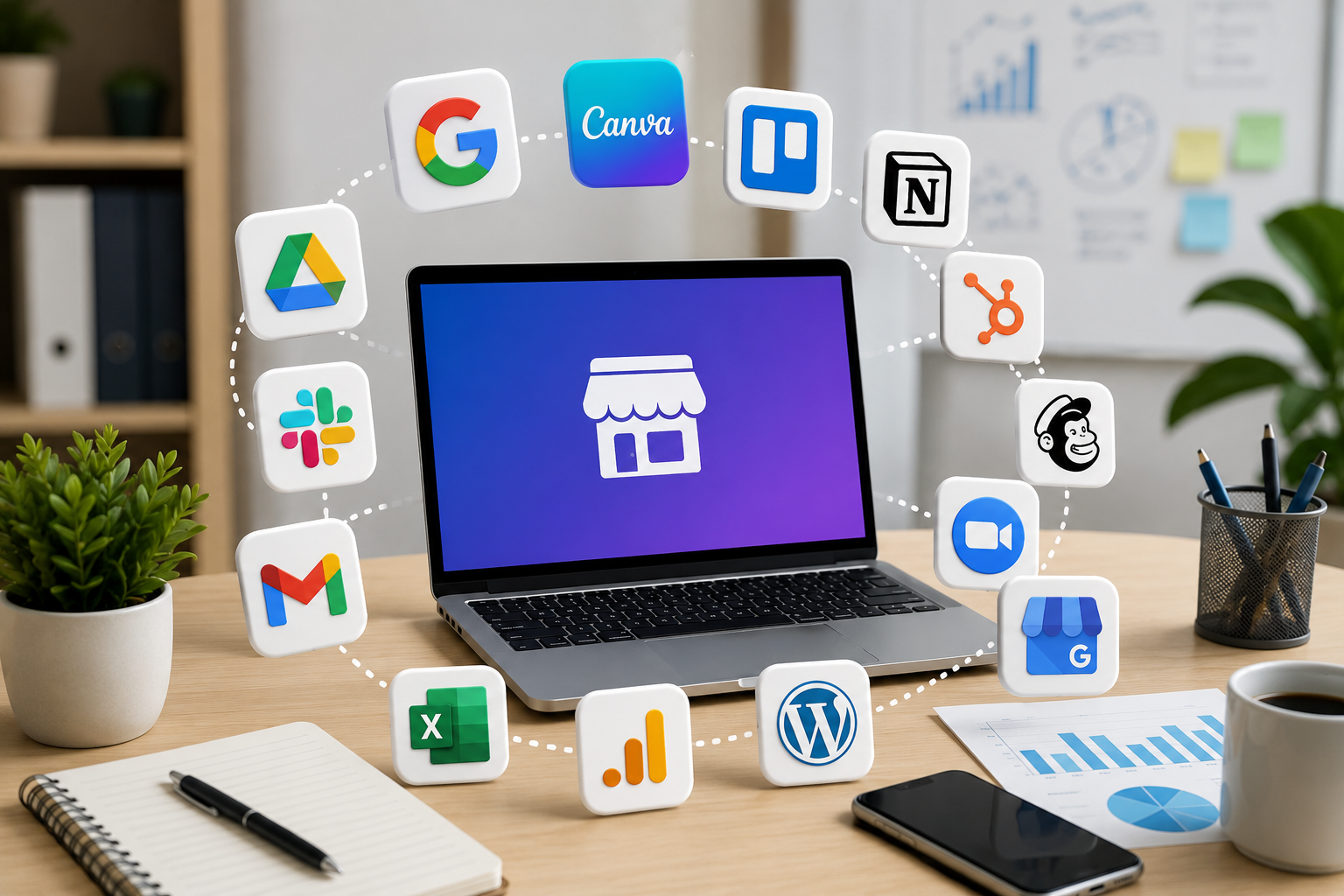
Обзор the лучшие бесплатные инструменты for малый бизнес в 2026 году. Сравнение бесплатные инструменты for marketing, websites, productivity, communication, sales, CRM, analytics, and design.