Лучший бесплатный софт в 2026 году
Обзор the лучшие бесплатные software в 2026 году for writing, design, productivity, websites, business, storage, and communication. Сравнение useful бесплатные инструменты before upgrading.
Обзор the лучшие бесплатные инструменты for малый бизнес в 2026 году. Сравнение бесплатные инструменты for marketing, websites, productivity, communication, sales, CRM, analytics, and design.
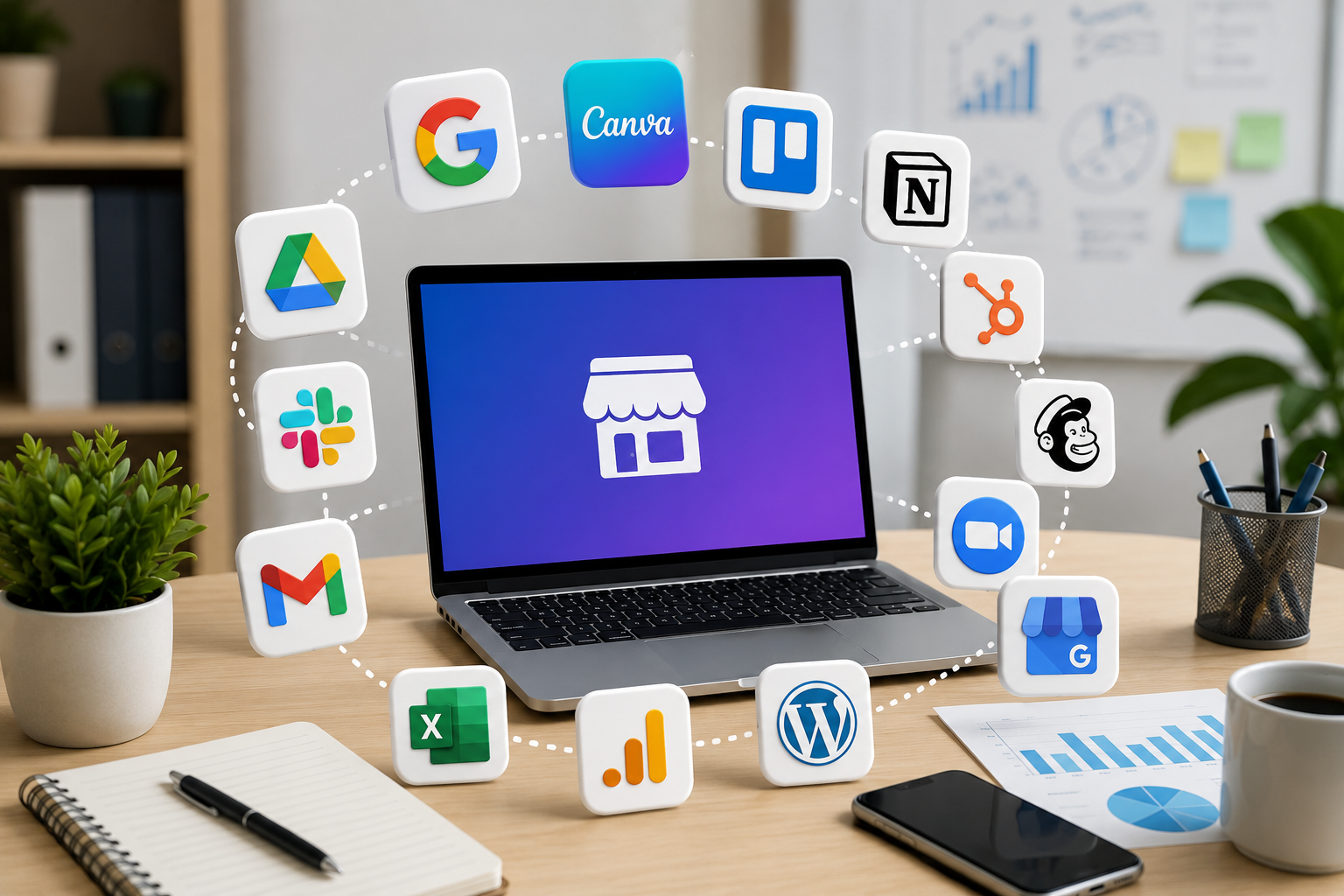
Use this guide to choose Best Free Tools for Small Business by real use case, limits, pricing, and upgrade timing.
Start with your main use case, then compare limits, total cost, support, and fit.
Upgrade when limits start costing time, blocking collaboration, or creating risk.
Starting and running a small business is easier when you use the right tools. In 2026, many useful business tools offer free plans for communication, documents, design, project management, websites, accounting, customer management, and marketing.
You do not need to pay for everything from day one.
A smart small business can start with free tools, test what works, and upgrade only when there is a clear reason to pay.
In this guide, we look at the best free tools for small business in 2026 and how to build a simple business software stack without wasting money.
A good free tool for small business should help you save time, organize work, communicate better, or get more customers.
The best free business tools usually have:
Free tools are not always unlimited. Many platforms limit users, storage, projects, automation, branding, reports, or integrations. But if the free version solves your current problem, it can be enough at the beginning.
Below are some of the most useful free tools small businesses can use in 2026.
Even without a paid Google Workspace plan, small businesses can use many free Google tools.
Google Docs, Google Sheets, Google Drive, Google Calendar, and Gmail can cover many basic business needs. You can write documents, track budgets, manage schedules, store files, create simple reports, and share information with other people.
Best for:
For a very small business, these tools can be enough to start organizing work before paying for more advanced software.
Canva is one of the best free design tools for small business owners.
You can use it to create social media posts, simple ads, presentations, flyers, menus, business cards, posters, and website graphics. The free plan includes many templates and design elements, although some premium assets require payment.
Canva is especially useful because many small business owners do not have a designer.
Best for:
If your business needs visual content but you do not want to hire a designer yet, Canva is one of the best places to start.
Trello is a simple project management tool based on boards, lists, and cards.
Small businesses can use it to track tasks, content plans, client work, internal processes, orders, and team responsibilities. It is easy to understand and does not require complex setup.
Best for:
Trello is a good choice when you want a visual and easy way to see what needs to be done.
Notion is a flexible workspace that can be used for notes, documents, databases, project planning, content calendars, and internal knowledge bases.
A small business can use Notion to store processes, meeting notes, ideas, checklists, client information, content plans, and simple dashboards.
Best for:
Notion is useful if you want one flexible place to organize different parts of your business.
HubSpot CRM is one of the strongest free tools for small businesses that need to manage contacts and sales.
You can use it to store customer information, track leads, manage deals, record notes, and organize sales activity. Many advanced marketing and sales features are paid, but the free CRM can still be useful for small teams.
Best for:
If your business talks to customers, receives leads, or sells services, a CRM can help you avoid losing important conversations.
Slack is a communication tool for teams.
Small businesses can use it to create channels for different projects, departments, clients, or topics. It can keep business conversations more organized than regular messengers.
Best for:
Slack is useful when your team needs a central place for work communication.
Zoom is useful for online meetings, client calls, interviews, lessons, consultations, and team discussions.
The free plan may have time limits, but it can still be enough for short calls and early-stage businesses.
Best for:
For many small businesses, Zoom is a simple and familiar tool for communication.
Calendly helps people book meetings with you without long back-and-forth messages.
You can set your availability, share a booking link, and let clients or partners choose a time. This is useful for consultants, freelancers, coaches, agencies, and service businesses.
Best for:
Calendly can make a small business look more professional and save time on scheduling.
Mailchimp is an email marketing platform that can help small businesses collect subscribers and send newsletters.
Free plan limits can change, but Mailchimp is still one of the most known tools for beginners who want to start email marketing.
Best for:
Email marketing is useful because it gives your business a direct way to communicate with people who are interested in your product or service.
Buffer helps schedule social media posts.
Small businesses can use it to plan content ahead of time instead of posting manually every day. This is useful for social media consistency, especially when one person manages many tasks.
Best for:
If your business uses social media, a scheduling tool can help save time.
WordPress is one of the most popular website platforms.
The WordPress software itself is free, although you usually need hosting and a domain for a self-hosted website. A small business can use WordPress for a blog, company website, service pages, affiliate content, or local business site.
Best for:
WordPress has a learning curve, but it gives more control than many simple website builders.
Google Business Profile is one of the most important free tools for local businesses.
It can help your business appear in Google Search and Google Maps. You can add your business name, address, opening hours, phone number, website, photos, services, and updates.
Best for:
If you run a local business, Google Business Profile should be one of the first tools you set up.
Microsoft Clarity is a free website analytics and behavior tool.
It can show how visitors use your website through heatmaps and session recordings. This helps small businesses understand where users click, how they scroll, and where they may get confused.
Best for:
If you have a website, Clarity can help you see what visitors actually do on your pages.
Google Analytics helps you understand website traffic.
You can use it to see where visitors come from, which pages they visit, how long they stay, and what actions they take. It can feel complicated at first, but it is a useful free tool for any small business website.
Best for:
For small businesses that rely on online traffic, analytics is important.
Wave is a financial tool often used by small businesses and freelancers.
Depending on availability in your country and current plan details, it can help with invoicing, accounting, payments, and basic financial management. Small businesses should always check whether the tool is available and suitable for their region.
Best for:
Financial tools are important because even a small business needs to track income, expenses, and invoices clearly.
Different businesses need different tools. Here is a simple way to choose.
For communication, start with:
These tools help you communicate with clients, schedule meetings, and organize team conversations.
For marketing, start with:
These tools help create content, reach customers, publish updates, and build an online presence.
For sales, start with:
This setup helps you manage leads, track conversations, book calls, and close deals.
For productivity, start with:
These tools help you plan, organize, write, track, and manage work.
For websites, start with:
This combination helps you create a site, track traffic, understand visitors, and improve your online presence.
Free tools are great when your business is small or just starting.
Free tools are usually enough when:
Paid tools may become worth it when:
The best rule is simple: do not upgrade because a tool looks nice. Upgrade when it saves time, prevents mistakes, or helps you make more money.
Free tools can help, but using too many tools can create chaos.
Common mistakes include:
A small business does not need twenty tools. It needs a simple system.
A practical free tool stack could look like this:
This setup can cover many basic business needs without a large monthly software budget.
Before choosing any free tool, ask:
The best tool is not always the most popular one. The best tool is the one your business will actually use.
The best free tools for small business in 2026 are the ones that help you organize work, communicate with customers, create content, manage sales, and understand your website.
Google tools are great for documents, spreadsheets, email, and planning. Canva is one of the best free tools for design. Trello and Notion are strong choices for organization. HubSpot CRM is useful for customer and sales tracking. Slack and Zoom help with communication. WordPress, Google Analytics, Microsoft Clarity, and Google Business Profile help build and improve your online presence.
Start simple.
Choose a few tools that solve real problems, use them consistently, and upgrade only when your business actually needs more.
For a general software list, read our guide to the best free software in 2026.
If you use AI for work or study, check our guide to the best free AI tools for students.
If your business needs a website, compare the best free website tools.
You can also improve team organization with the best free productivity tools.
Обзор the лучшие бесплатные software в 2026 году for writing, design, productivity, websites, business, storage, and communication. Сравнение useful бесплатные инструменты before upgrading.
Обзор the лучшие бесплатные AI инструменты for студенты в 2026 году. Сравнение AI assistants, writing инструменты, research инструменты, presentation инструменты, flashcards, and study planners.
Обзор the лучшие бесплатные website инструменты в 2026 году for building, SEO, analytics, speed, design, content, traffic tracking, and website optimization.